



The State as the Arena of AI Transformation
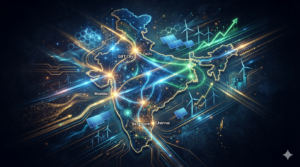
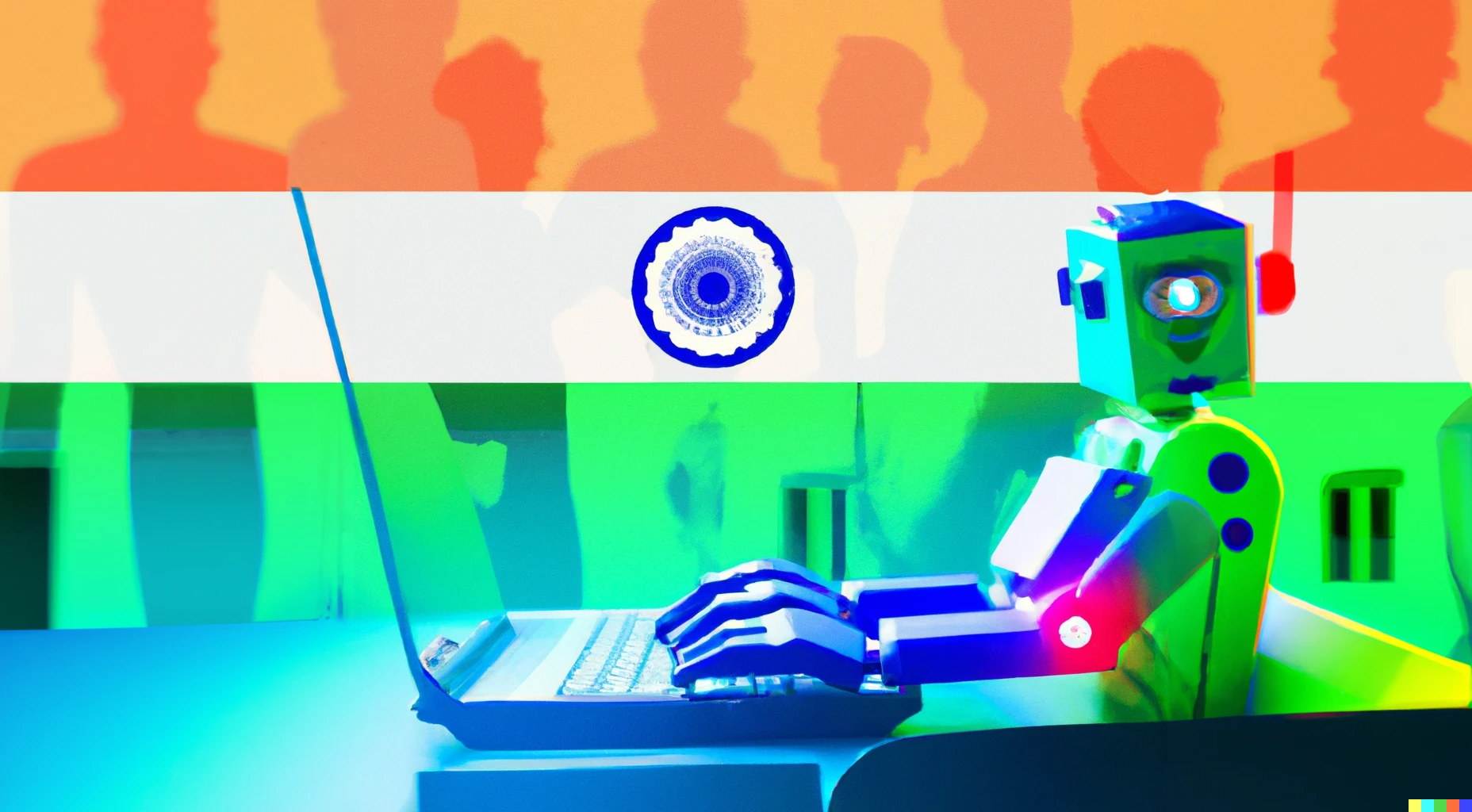
Artificial Intelligence is not a domain that is still in labs or boardrooms of multinational corporations anymore. It is changing the way farmers irrigate their lands, physicians diagnose patients, educators prepare their classwork plans, and administrations plan their city structures. Although India has a clear vision for artificial intelligence in this country, this shall actually transpire on a state level, that is, in terms of handling education systems, agricultural practices, cultural maintenance, and governance respectively in India.
A State AI Policy is a lot more than a technology road map. It is a social and economic blue print that holds the key to technology spreading opportunities, bridging divides, and preparing for a fool-proof governance structure in the country.
A State AI Policy is a lot more than a technology road map. It is a social and economic blue print that holds the key to technology spreading opportunities, bridging divides, and preparing for a fool-proof governance structure in the country. It is a challenging task for India to prepare a state AI policy that is both technology-driven and reality-based.
Core Principles: The Non -Negotiables
An effective state-level AI policy has to be based upon four non-negotiables:
Humanity is the primary concern: AI should complement, not supplant, humanity.
- Equity & Access: It is necessary for the states to bridge rural versus urban, gender, and digital divides.
- Sustainability in essence: From water to climate change, AI has to work for nature.
- Cultural Continuity: The preservation of culture, language, and identity should not be destroyed by AI but protected instead.
These guidelines distinguish between real public policy and unchecked techno-solutionism.
Six Fundamentals of a Robust State AI System
1. Education and Talent Development
AI literacy cannot be optional. It is necessary that the states introduce AI education in Classes 6 and above, in local languages. The use of maker labs in schools and technical institutions may help. Some states, such as Tamil Nadu and Karnataka, have plans to introduce AI in higher education. The aim should be to have AI universities or centers of excellence. The goal should be for all state universities to have AI electives in 2026.
2. Innovation Ecosystems
Each state needs its own AI hubs, linked to universities, startups, and industry clusters. These should be backed by state-level funds ?500-?1,000 crore of which at least a quarter should be reserved for women-led and rural ventures. Moonshot programs should reflect state priorities: agriculture and water in Andhra Pradesh and Rajasthan, logistics in Tamil Nadu and Gujarat, health in Kerala and Telangana.
3. Ethical Governance
Trust is the key that will unlock the success of AI in the realm of governance. Countries should establish AI Ethics Boards in 2025, ensure that AI Impact Assessment is a mandatory process in sensitive sectors such as law enforcement, education, and healthcare, and then use the transparency dashboard to demonstrate the impact of algorithms on decisions to the people. The next measure would be the citizen review panel.
4. AI for Public Good
The first application of AI is in solving citizen-related problems.
- AI in Andhra and Telangana will assist farmers in the region on soil and irrigation issues.
- In Kerala, cheap diagnostic capabilities meshing with PHCs can revolutionize rural healthcare.
- The cities in Karnataka may implement predictive traffic analytics, while the state of Goa, Gujarat, or both may demonstrate efficient use of water in coastal and drought-prone areas.
These kinds of use-cases make AI real, tangible, and trusted.
5. Cultural and Linguistic AI
India’s identity is inseparable from its heritage. States should digitize artifacts, manuscripts, and folk traditions. AI-driven vernacular NLP datasets in Tamil, Telugu, Kannada, Gujarati, Konkani, and more are essential for inclusivity. AR/VR platforms for cultural tourism can turn heritage into an economic asset, as Goa, Kerala, and Rajasthan have already explored.
6. Without infrastructure, all policy is aspiration.
States would require trusted data grids with open APIs, GPU/TPU computing clusters in all public universities, and region-relevant data. An objective to have 10 local data sets for all states by 2029 can help develop AI models that are more informed by Indian realities than foreign prejudices.
Comparative State Pathways
- Tamil Nadu and Karnataka can target the automation of industries and logistics.
- Kerala and Telangana are best positioned to be leaders in healthcare innovations.
- Andhra Pradesh and Punjab need to focus on agriculture and climate-resilient agriculture.
- Both Gujarat and Maharashtra have the potential use of AI in the areas of MSME, ports, and
- Goa and Rajasthan are leaders in cultural AI, heritage conservation, and tourism by default.
These elements together build a map of innovation with a federation of innovation where the states mutually strengthen each other.
Roadmap for Implementation
A staged strategy allows you to keep your ambition feasible:
• Foundation (2024-26): Ethics boards, curriculum changes, early pilots
• Scale-Up (2027-29): Hubs, funds released, leadership/leaderships (2030+) World leaders who are leaders for prospective
Why This Matters
Internationally, the regulation of AI is split between different visions. Europe and America favor a regulatory approach, whereas China favors accelerating the process. India has an opportunity to present a different vision based on a state-driven federation with innovation that leans toward equality and ethics.
Tamil Nadu can be the leader in the industry category, Kerala in the health sector, Andhra in the agriculture category, Karnataka in the research category, Goa in the sustainability category, and Gujarat in the MSME sector. Taken together, they will create a national AI mosaic, which will be far more robust than the current model of AI in the country.
A Call to Action
The future of AI in India will not be written in a single office in Delhi. This will come from classrooms in Chennai, PHCs in Kochi, farmlands in Guntur, start-ups in Bengaluru, ports in Kandla, and heritage sites in Jaipur and Panaji. The Next Frontier: State AI Policies. They can make AI a source of empowerment in the hands of citizens rather than a source of exclusion if they are technical, ethical, and citizen centric.
Today, Indian states are left with a choice: allow AI to widen gaps or use it to increase opportunities and maintain culture while building a resilient state. The world is watching.
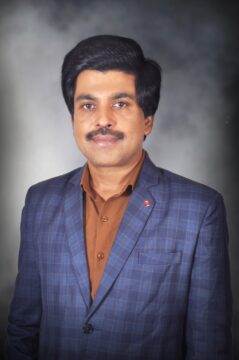
Guest author Dr. Harilal Bhaskar is the Chief Operating Officer and National Coordinator at the Indian Science Technology and Engineering facilities Map (I-STEM), under the Office of Principal Scientific Adviser (P.S.A.) Government of India. Any opinions expressed in this article are strictly those of the author.