


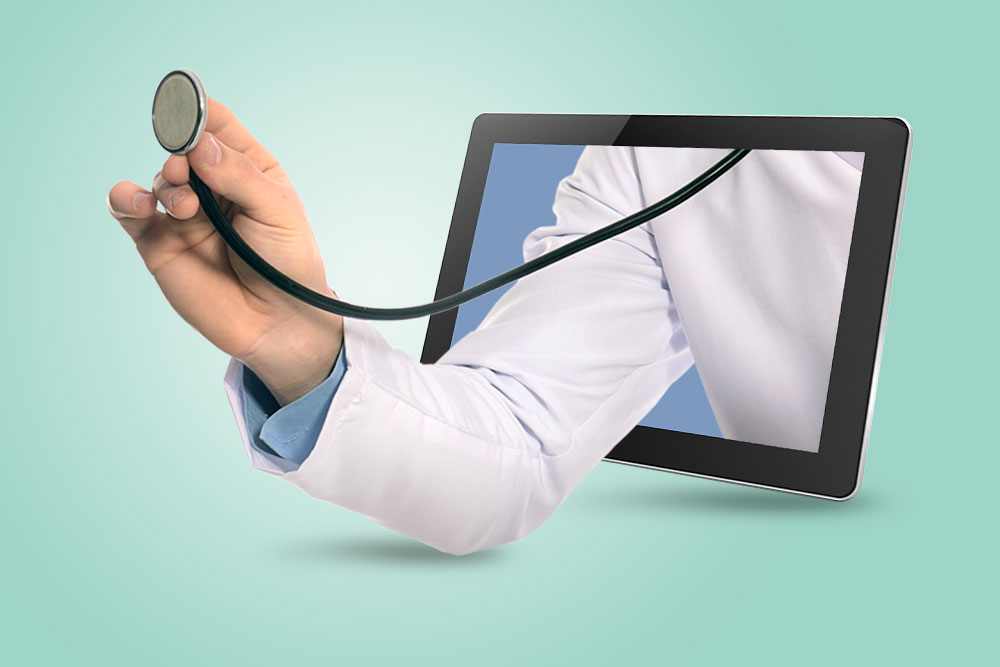


For a long time, hospitals were the center of healthcare. People turned to them for treatment, diagnosis, and specialist advice. That role is still important. Hospitals will always matter for emergencies, surgery, and serious treatment. But they are no longer the only place where care happens. Healthcare is slowly moving into homes, phones, and everyday life. A doctor can now check in with a patient without a physical visit. A wearable device can warn someone before a problem gets worse. A person can stay at home and still remain connected to care and recover with confidence. This is changing the shape of healthcare itself. It is becoming less fixed to a building and more tied to the patient’s life.
A person can stay at home and still remain connected to care and recover with confidence
Care At Home
Home care is becoming a real choice for many families. For someone recovering from surgery or living with a long-term illness, home often feels easier and calmer than a hospital room. It also helps maintain comfort, independence, and quality of life. People want care, but they also want comfort and familiarity. India shows how strong this shift has become. The home healthcare market is estimated at $8 billion to $10 billion and is growing at roughly 20 percent every year. Even then, only about 2 percent of the market is organized. That tells us a lot. Demand is already there. The system around it is still taking shape. As services become more structured, home care could become a core part of healthcare, not just an extra service.
Constant Connection
Healthcare used to work in snapshots. A patient met a doctor, shared symptoms, received advice, and went home. Then everyone waited for the next visit. That approach can work for some things. It does not work well for conditions that change every day. Remote monitoring is helping fill that gap. Devices can track blood pressure, blood sugar, oxygen levels, heart rate, and sleep patterns from home. Doctors get a fuller picture. Patients feel less alone. They know someone is still watching their condition. A Mayo Clinic survey from 2021 and 2022 found that 89 percent of patients felt remote patient monitoring helped them manage their condition comfortably at home. Around 93 percent said they would recommend it to others with similar conditions.
Rural Reach
Access is still one of healthcare’s sharpest inequalities. Specialists cluster in cities. Advanced infrastructure follows money. Rural communities are often left with fewer choices and longer journeys. India makes this problem impossible to ignore. Nearly 65 percent of the population lives in rural areas, where access to specialists and advanced infrastructure remains limited. In that setting, telemedicine is not a luxury. It is a practical correction. The government backed eSanjeevani platform has already delivered more than 324 million consultations, with around 85 percent of users coming from rural areas. That is an important signal. It shows that digital access can scale where physical access struggles. It also shows something more important. People will use digital care when it is reliable, simple, and respectful of their time.
Smarter Decisions
Healthcare creates enormous amounts of data. Every scan, test, prescription, note, and wearable reading adds to the pile. The problem is not a lack of information. The problem is knowing what it all means in time to help the patient. That is where artificial intelligence is starting to matter. It can pick up patterns that are easy for people to miss. It can help identify patients who may be getting worse. It can support faster decisions and better follow up. This does not replace doctors. It gives them another layer of support. Used well, AI helps clinicians act earlier. That often makes care safer, simpler, and less expensive.
Clinical Capacity
One of healthcare’s biggest challenges is not simply the number of doctors available but how effectively their expertise is used. As of 2026, India’s doctor to population ratio stands at roughly 1:811, not dramatically different from where it was nearly two decades ago, yet healthcare demands have grown significantly as people live longer, chronic diseases become more common, and patients seek care more proactively. A large share of clinical time is still consumed by routine follow ups and administrative tasks. Technology can help change that. Virtual consultations, digital triage, automated follow ups, and AI assisted workflows can free healthcare professionals to focus on higher value clinical decisions, making existing capacity work harder and smarter.
Beyond Hospitals
The most significant healthcare innovations of the next decade may not be new drugs or new medical devices. They may be the systems that connect existing expertise to patients more efficiently. Healthcare has historically been organized around infrastructure. The future will be organized around access. This shift is ultimately about meeting people where they are. Whether that means a village hundreds of kilometres from a specialist, an elderly patient recovering at home, or someone managing a chronic condition between appointments, the goal remains the same. Technology is helping healthcare become more responsive, more continuous, and more closely aligned with how people actually live. The future of healthcare lies outside hospitals because health itself has never been confined within them.

Guest author Vamsi Karatam is the Founder and CEO of Deepfacts Private Limited, (proRITHM), an AI and IoT enabled remote patient monitoring platform transforming continuous healthcare delivery. Any opinions expressed in this article are strictly those of the author.